2026 Best CNC Router for Global Buyers Top Features to Consider?
In the rapidly advancing world of manufacturing, the CNC router has become an essential tool. Experts like John Smith, a leading figure in CNC technology, emphasize, "Choosing the right CNC router can significantly impact your productivity." For global buyers, understanding the top features of a CNC router is crucial.
When considering a CNC router, factors such as precision, speed, and versatility emerge as key elements. Many buyers often overlook the importance of durability and software compatibility. A machine may have excellent specs but could falter in real-world applications. It's vital to do your homework and assess your unique needs before making a decision.
Furthermore, as technology evolves, so do the features of CNC routers. Keeping up with these advancements can be overwhelming. Buyers sometimes feel pressured to purchase the latest model. However, it's essential to balance cutting-edge technology with practical benefits. Taking these considerations into account will aid in selecting the best CNC router for your operations.
2026 CNC Router Overview: Key Trends and Innovations
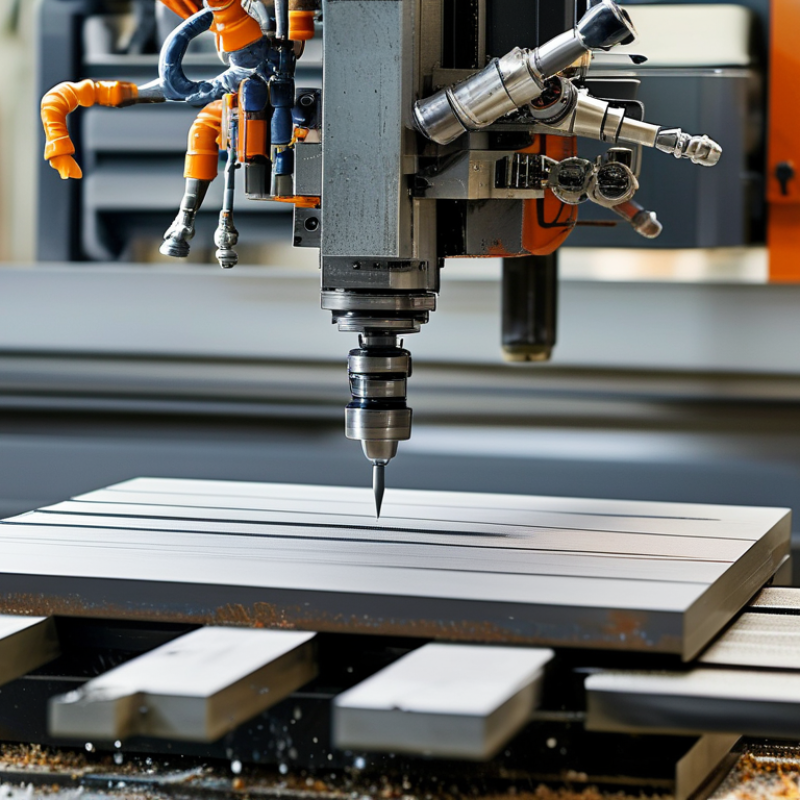
The CNC router landscape is evolving rapidly. As we look toward 2026, several key trends are shaping the industry. One prominent trend is the integration of artificial intelligence in CNC routing systems. This allows for real-time decision-making and enhanced precision, but it can also raise questions about reliability and the need for operator oversight.
Another innovation is the development of portable and compact CNC routers. These machines are becoming increasingly user-friendly, making them accessible to hobbyists and professionals alike. However, the trade-off often lies in their power and speed. Users may find limitations that affect production efficiency, prompting a need for a careful assessment of their capabilities against project demands.
Sustainability is also a vital focus. Many manufacturers are now emphasizing eco-friendly materials and energy-efficient designs. This is commendable, yet the shift may introduce challenges. For instance, the availability of sustainable materials can vary significantly across regions, impacting production timelines. As buyers evaluate their options, understanding these trends and their implications is crucial for making informed decisions.
2026 Best CNC Router Features Comparison
Essential Features to Look for in a CNC Router
When selecting a CNC router, several essential features must be considered. Understanding these features helps buyers make informed decisions. Consider the machine's power and speed. A higher wattage allows for faster milling and cutting. However, the balance between speed and precision is crucial for quality output.
Also, look for a CNC router’s ease of use. User-friendly software can significantly enhance your workflow. Complex software may lead to frustration, reducing productivity. A good interface helps streamline projects.
Another vital aspect is material compatibility. Ensure the CNC router can handle various materials, from wood to metal. This versatility expands your project possibilities. Reflect on your current and future needs. Choosing a machine too limited in function can hinder growth.
Selecting the right CNC router involves careful thought. Focus on efficiency, usability, and adaptability. These factors contribute to a machine that can evolve with your projects.
Comparative Analysis of Top CNC Router Brands
When exploring the CNC router market, understanding the strengths and weaknesses of leading brands becomes crucial. A 2021 report from Verified Market Research highlighted an expected growth of the CNC router market, projecting a CAGR of over 6% by 2028. This indicates rising demand, urging buyers to carefully compare options to ensure they choose wisely.
Most top brands focus on precision and versatility. Many models can handle various materials, including wood, plastic, and metal. User reviews often point out that reliability is paramount. Yet, some users report issues with technical support from certain brands. This can lead to frustration when troubleshooting performance problems. Data from industry surveys show that around 40% of buyers prioritize customer service over product features, underscoring its significance.
Another aspect to consider is the user community and available resources. Brands that foster active user networks and provide ample learning materials tend to empower users more effectively. However, some companies lack comprehensive online documentation. This gap can hinder effective usage and learning. Suitable support can enhance user experience, as indicated by a survey showing that 75% of satisfied customers found assistance helpful in solving technical challenges. Evaluating these factors is essential for making an informed purchase decision.
Buying Considerations for Global Buyers: A Practical Guide
When selecting a CNC router, global buyers must focus on essential features that align with their specific needs. Precision is one key factor; reports indicate that machines with higher precision rates lead to better product quality. For example, routers with a precision of 0.01 mm can significantly reduce material waste and improve overall efficiency. The material versatility of the CNC router is also crucial. A machine capable of handling wood, metal, and composites broadens the scope of projects it can undertake.
Another important consideration is the ease of operation. Many reports highlight that routers with user-friendly interfaces can decrease training time for operators by nearly 30%. This not only saves on initial labor costs but also maximizes productivity. Buyers should also consider the availability of technical support and maintenance services. Machines that come with a reliable support system can prevent downtimes and ensure smooth operations.
Buyers should reflect on long-term operational costs beyond the initial investment. An energy-efficient CNC router can result in significant savings over time. Data shows that energy-efficient models consume up to 40% less electricity than standard machines. This is an aspect that deserves more attention as businesses aim for sustainability. Comparing specifications and reading user reviews can provide insights into real-world performance.
Maintenance Tips for Maximizing CNC Router Performance
Maintaining a CNC router is essential for optimal performance. Regular cleaning is crucial. Dust and debris can accumulate and affect precision. A simple routine can prevent costly repairs. Inspect the machine regularly for wear and tear. Watch for any unusual noises during operation. If something feels off, check it immediately.
Lubrication plays a vital role in the longevity of your CNC router. Keeping the moving parts well-lubricated reduces friction. It minimizes wear, ensuring smooth operations. Use the recommended type of lubricant. Using the wrong kind can lead to more harm than good. Be cautious when selecting maintenance products.
Cooling systems are often overlooked. Keeping the machine cool prevents overheating. Overheating can drastically reduce the life of your CNC router. Ensure that the cooling system functions properly. Listen for changes in fan sounds, as they can indicate problems. Taking a proactive approach can save time and stress in the long run.