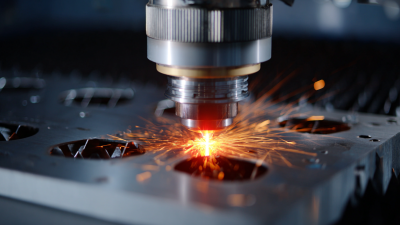
The landscape of manufacturing is undergoing a profound transformation, primarily driven by advancements in technology and the evolving demands of industries worldwide. Among these changes, CNC machining stands out as a key player, offering precision and efficiency that traditional manufacturing methods struggle to match. According to a report by Grand View Research, the global CNC machining market size is expected to reach $100.6 billion by 2025, exhibiting a remarkable compound annual growth rate (CAGR) of 6.7%. This growth is indicative of the increasing reliance on CNC machining for producing intricate parts with minimal human intervention.
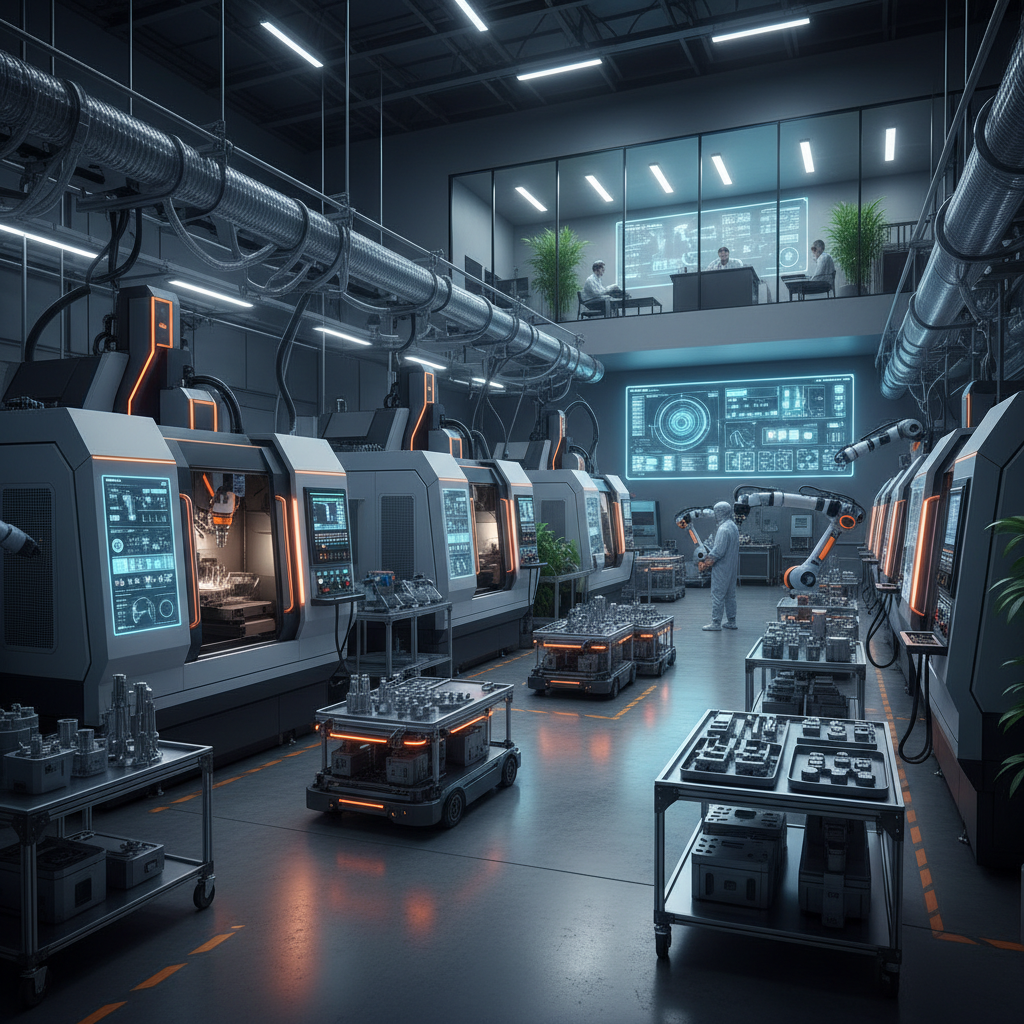
As we delve into the top CNC machining trends anticipated for 2025, it is essential to recognize the factors fueling this momentum. The rise of Industry 4.0, characterized by automation, data exchange, and advanced technologies such as artificial intelligence and the Internet of Things, is reshaping manufacturing processes, enabling higher efficiency, reduced waste, and enhanced product quality. Furthermore, a McKinsey report highlights that companies investing in digital manufacturing are likely to realize productivity gains of up to 30%. This introduction sets the stage for an exploration of the "Top 5" trends within CNC machining that are poised to revolutionize the manufacturing industry, positioning businesses for success in an increasingly competitive marketplace.
The integration of artificial intelligence (AI) and machine learning in CNC machining is revolutionizing the manufacturing landscape, leading to enhanced productivity and efficiency. Reports indicate that manufacturers adopting these technologies can achieve a productivity improvement of up to 30%, as smart algorithms optimize machine performance and predict maintenance needs. AI-driven solutions help in analyzing vast amounts of data generated during the machining process, enabling manufacturers to make real-time decisions that reduce waste and improve quality.
Additionally, the rise of digital twins—a virtual representation of physical machines—allows for advanced simulations and scenario testing. Studies show that companies utilizing digital twin technology can reduce time spent on product development by up to 25%. By integrating AI with CNC machining, manufacturers can anticipate equipment failures and streamline their operations, ultimately driving higher output and reducing operational costs. This data-driven approach not only enhances manufacturing processes but also enables enterprises to stay competitive in an increasingly digital marketplace.
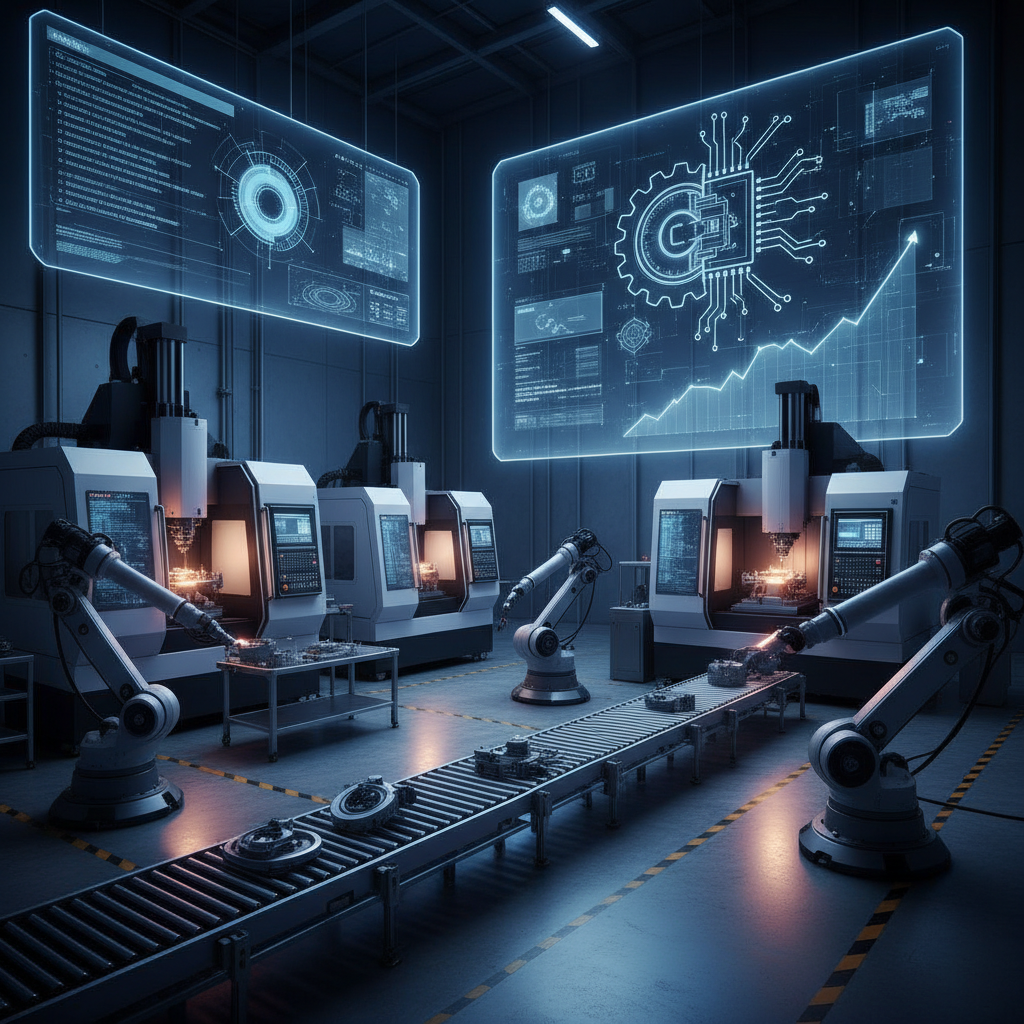
As the manufacturing industry continues to evolve, sustainable practices are becoming a focal point in CNC machining. Companies are increasingly adopting technologies and strategies aimed at reducing waste and energy consumption. This shift not only benefits the environment but also enhances operational efficiency and cost-effectiveness. By integrating energy-efficient machinery and optimizing production processes, manufacturers can significantly lessen their ecological footprint while maintaining high standards of quality.
Tips for reducing waste in CNC machining include implementing just-in-time manufacturing practices, which minimize excess inventory and ensure that materials are used more effectively. Additionally, investing in software that monitors energy consumption can help identify areas where efficiency can be improved. Regularly scheduled maintenance of CNC machines also plays a crucial role in preventing breakdowns that lead to wasted resources.
Moreover, recycling metal scraps and utilizing biodegradable lubricants can further contribute to sustainable CNC operations. Companies should consider training their workforce on sustainability practices, as a knowledgeable team can drive innovative ideas and solutions for waste reduction. Embracing these sustainable practices not only aligns with regulatory demands but also fosters a positive brand image in a marketplace increasingly centered on environmental responsibility.
The advancement of composite materials is shaping the future of CNC machining, providing an unprecedented opportunity for manufacturers to enhance their capabilities. According to a report by MarketsandMarkets, the global market for composite materials is projected to reach $133.9 billion by 2025, driven by their lightweight yet durable characteristics. Materials such as carbon fiber and fiberglass are increasingly being adopted in various industries, including aerospace and automotive, due to their superior strength-to-weight ratios and resistance to corrosion. This shift not only improves product performance but also contributes to sustainability by reducing overall material consumption.
Tips: When incorporating composite materials into your CNC machining processes, it is crucial to consider the specific properties and requirements of each material. For instance, carbon fiber often requires specialized cutting tools to prevent wear and ensure precision. Additionally, understanding the thermal expansion characteristics of composites can help in selecting the right machining parameters, reducing errors and improving efficiency.
As we move toward 2025 and beyond, the integration of advanced composite materials into CNC machining will drive innovation. The use of these materials not only facilitates the production of intricate designs but also aligns with the industry's sustainability goals. Reports suggest that sectors focusing on composites will experience a growth rate of over 10% annually, highlighting the need for manufacturers to adapt to this transformative trend. By investing in advanced CNC technologies and training, companies can position themselves at the forefront of this manufacturing evolution.
| Trend No. | CNC Machining Trend | Description | Impact on Manufacturing |
|---|---|---|---|
| 1 | Increased Use of Composite Materials | Greater adoption of advanced composites like carbon fiber and fiberglass in CNC machined components. | Enhances strength-to-weight ratio, leading to more efficient products. |
| 2 | Automation and Robotics | Integration of robotic systems for loading, unloading, and overseeing CNC machines. | Increases production efficiency and reduces human error. |
| 3 | 3D Printing Integration | Using 3D printing alongside CNC for creating complex geometries before final machining. | Speeds up prototyping and can reduce material waste. |
| 4 | AI and Machine Learning | Utilizing AI to optimize machining processes and predictive maintenance. | Improves manufacturing efficiency and reduces downtime. |
| 5 | Sustainability Practices | Shift towards environmentally friendly materials and processes in CNC machining. | Promotes eco-friendly production and reduces carbon footprint. |
| 6 | IoT Connectivity | Implementing IoT devices for real-time monitoring of CNC machines. | Enables data analysis for continuous improvement of production processes. |
| 7 | Advanced Tooling Technologies | Development of innovative tooling solutions to improve cutting efficiency. | Results in longer tool life and better surface finishes. |
| 8 | Customizable CNC Machines | Trend towards modular and customizable CNC system designs. | Enhances flexibility and future-proofs manufacturing capabilities. |
| 9 | Enhanced Safety Features | Implementation of safety-focused technologies and protocols for CNC machining. | Minimizes workplace accidents and ensures compliance with safety regulations. |
| 10 | Collaborative Manufacturing Environments | Fostering partnerships between companies and sharing resources in manufacturing. | Enhances innovation and reduces operational costs. |
The manufacturing industry is experiencing a revolutionary shift towards customization and flexibility, particularly in the realm of CNC machining. As businesses strive for rapid prototyping, the ability to adapt CNC machines to meet specific production needs has become paramount. This trend not only enhances efficiency but also reduces lead times, enabling manufacturers to respond swiftly to market demands.
Tips for embracing customization in CNC machining include investing in versatile machinery that can be easily reprogrammed for different tasks. Additionally, forming partnerships with suppliers who specialize in modular components can greatly enhance the adaptability of your production processes. Implementing advanced robotics and automation technologies is another way to streamline operations while ensuring high precision in custom projects.
Furthermore, leveraging data analytics can provide insights into production workflows, helping manufacturers identify areas for improvement and customization opportunities. By maintaining a flexible approach and staying ahead of technological advancements, companies can better position themselves for success in an increasingly competitive landscape.
As the modular microfactories market continues to grow, companies that invest in flexible CNC machining processes will find themselves at the forefront of innovation, paving the way for new opportunities in rapid prototyping and custom production.
This chart illustrates the anticipated trends in CNC machining for 2025, focusing on customization, flexibility, and rapid prototyping capabilities. The data represents the expected percentage of focus on each trend among manufacturers.
The integration of IoT (Internet of Things) and Big Data is fundamentally reshaping CNC operations management in the manufacturing industry. By 2025, it is projected that 90% of manufacturing organizations will have adopted IoT technologies, generating vast amounts of data that can drive smarter decision-making. Real-time data analytics enables manufacturers to optimize production schedules, reduce downtime, and enhance product quality, significantly boosting efficiency and profitability. According to a recent report by McKinsey, companies leveraging data-driven strategies can see up to 30% increase in operational efficiency.
To take full advantage of these trends, manufacturers should focus on implementing robust data analytics platforms. Tip: Invest in training for your workforce to ensure they can effectively interpret data insights, allowing for timely interventions and continuous improvement in manufacturing processes. Additionally, fostering a culture of innovation is crucial. Tip: Encourage interdisciplinary teams to continually explore and experiment with IoT applications that can enhance CNC operations, ensuring that the organization stays at the forefront of technological advancements.
As companies increasingly rely on data to inform their strategies, real-time visibility into machinery performance and supply chain metrics becomes imperative. Tip: Utilize predictive maintenance techniques powered by IoT sensors to minimize unexpected machine failures, safeguarding production timelines and reducing costs. Embracing these data-driven decisions will not only transform CNC machining practices but will also set a benchmark in manufacturing excellence.
Please fill out this form and we will get an order or estimate ready for you. Please give us as much detail as you can for us to get started, and we will contact you to finsh the work order.